June 11, 2026
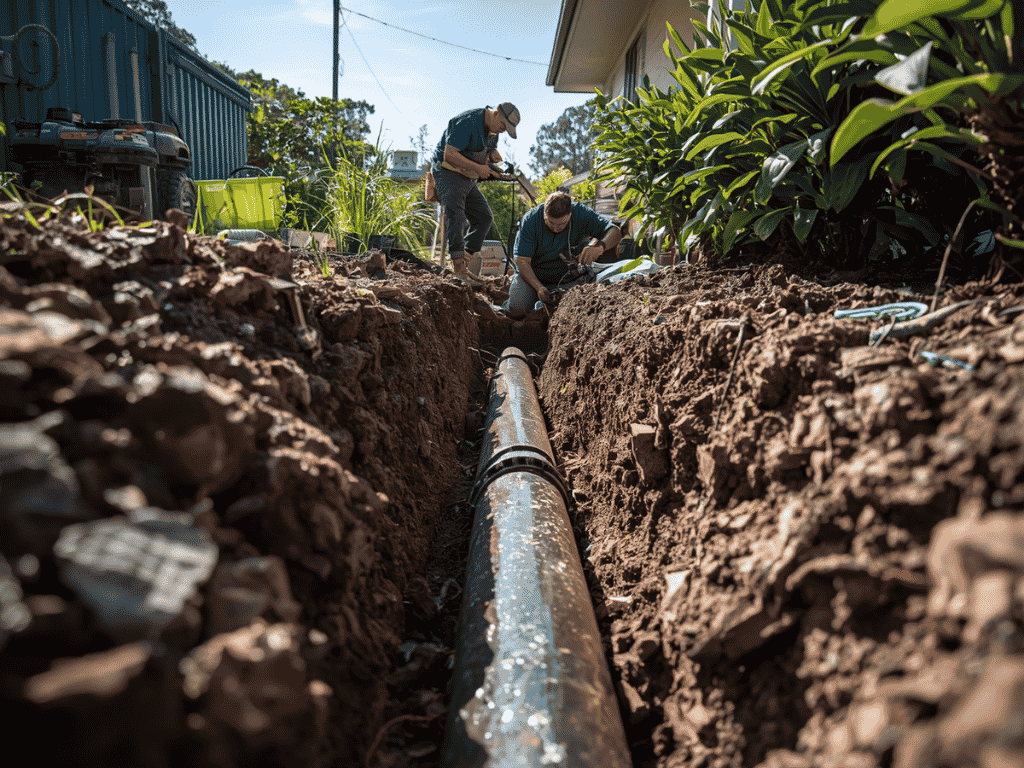
A properly functioning stormwater drainage system is essential for protecting homes and properties from water damage. In a bayside suburb like Wynnum, where seasonal rainfall can be significant, stormwater pipes play a vital role in directing rainwater away from buildings, driveways, and landscaped areas.
Unfortunately, stormwater pipes do not last forever. Age, ground movement, tree root intrusion, and corrosion can all contribute to pipe damage over time. When problems occur, property owners often assume that extensive excavation is the only solution. However, modern stormwater pipe relining offers a less disruptive alternative.
For Wynnum properties, especially homes near established trees, older drainage infrastructure or paved outdoor areas, a non-invasive repair method can be especially useful when access is limited or excavation would disturb landscaping, concrete or driveways.
This guide explains why stormwater pipes fail, the signs of damage, and how stormwater pipe relining in Wynnum can restore underground pipes without the need for major excavation.
Stormwater pipes are designed to transport rainwater away from roofs, gutters, downpipes, driveways, and other surfaces around your property.
Unlike sewer pipes, which carry wastewater from kitchens, bathrooms, and laundries, stormwater systems are specifically designed to manage rainfall runoff.
A typical stormwater drainage system may include:
When these components work together correctly, excess water is safely diverted away from buildings and foundations.
Stormwater pipes are constantly exposed to moisture, soil movement, and environmental factors. Over time, these conditions can lead to deterioration and structural damage.
Tree roots are one of the most common causes of stormwater pipe failure throughout Brisbane suburbs, including Wynnum.
Roots naturally seek out moisture and can enter pipes through small cracks, joints, or damaged sections. Once inside, they continue growing and can create significant blockages.
Common symptoms include:
The ground surrounding underground pipes is rarely static. Changes in soil moisture levels, construction activity, and natural settling can cause pipes to shift.
This movement may result in:
Over time, even minor movement can affect the performance of the drainage system.
Many older properties in Wynnum still contain stormwater pipes made from materials such as clay, concrete, or metal.
As these materials age, they become increasingly vulnerable to:
Age-related damage often develops gradually and may remain unnoticed until major drainage issues appear.
Brisbane’s subtropical climate means stormwater systems are regularly tested during heavy rainfall.
Intense storms can place significant pressure on existing pipework, particularly if pipes are already weakened by age or damage. Over time, repeated exposure to high water volumes can accelerate deterioration.
Early detection can help prevent costly property damage and more extensive drainage repairs.
Watch for signs such as:
Persistent puddles after rainfall may indicate that stormwater pipes are unable to carry water away efficiently.
If pits overflow during moderate rain, there may be a blockage or damaged section of pipe restricting flow.
Excess moisture around foundations can indicate leaks within underground stormwater pipes.
A damaged pipe can allow water to escape into surrounding soil, causing erosion and ground subsidence.
Recurring drainage issues often suggest an underlying structural problem rather than a simple blockage.
Stormwater pipe relining is a trenchless repair method that restores damaged pipes internally.
Rather than excavating and replacing the existing pipe, a specialised liner is inserted into the damaged section. The liner is then cured in place, creating a new pipe within the original pipe.
Once cured, the new lining forms a seamless and durable internal structure that can restore functionality and improve flow.
This process can often be completed with minimal disruption to the surrounding property.
Many property owners are choosing relining because it offers several advantages compared to traditional excavation methods.
One of the biggest benefits is that most repairs can be completed without digging long trenches across lawns, gardens, pathways, or driveways.
Traditional stormwater pipe repair can involve extensive excavation and reinstatement work. Relining often reduces project time significantly.
Modern relining materials are designed to create a durable internal pipe structure that helps seal cracks and joints, reducing the risk of future leaks, corrosion and root intrusion.
Landscaping, paving, and outdoor areas can often remain largely untouched during the repair process.
In many cases, relining can be a cost-effective option because it may reduce the need for excavation, reinstatement and surface restoration.
Every project is unique, but the process typically follows several key steps.
A CCTV drain camera is used to inspect the pipe internally and identify the location and extent of the damage.
This inspection helps determine whether relining is a suitable solution.
The affected pipe is thoroughly cleaned to remove debris, roots, sediment, and obstructions.
Proper cleaning ensures the liner bonds effectively to the existing pipe.
A resin-saturated liner is inserted into the damaged pipe and positioned accurately.
The liner is cured to create a strong new internal pipe structure.
Once cured, it forms a continuous lining that seals cracks, gaps, and damaged joints.
A final CCTV inspection confirms the quality of the repair and ensures the pipe is functioning correctly.
In many cases, yes.
Stormwater pipe relining can be suitable for repairing:
However, severely collapsed pipes or major structural failures may require alternative repair methods.
A professional CCTV inspection is the best way to determine the most appropriate solution.
If the pipe is severely collapsed, badly deformed or no longer structurally suitable for relining, excavation or another repair method may be recommended.
When stormwater drainage problems develop, obtaining an accurate diagnosis is essential before any repair work begins.
Pipe Relining Brisbane specialises in identifying underground pipe issues using advanced CCTV inspection technology and trenchless repair methods. Their experienced team can assess damaged stormwater systems and determine whether stormwater pipe relining is the most suitable solution for the property.
By focusing on modern relining techniques, they help homeowners and businesses restore damaged stormwater pipes while minimising disruption to surrounding landscapes and structures.
Stormwater pipes are a critical part of protecting properties from water damage, yet they are often overlooked until problems arise. Tree roots, ageing infrastructure, ground movement, and heavy rainfall can all contribute to pipe failure over time.
Fortunately, modern stormwater pipe relining in Wynnum provides an effective way to restore damaged pipes without the extensive excavation traditionally associated with underground repairs.
If you have noticed pooling water, recurring drainage issues, or signs of damage within your stormwater drainage system, a professional inspection can help identify the cause and determine the most effective repair solution before the problem worsens.

© 2026 Pipe Relining Brisbane | All Rights Reserved | Developed by