July 2, 2026
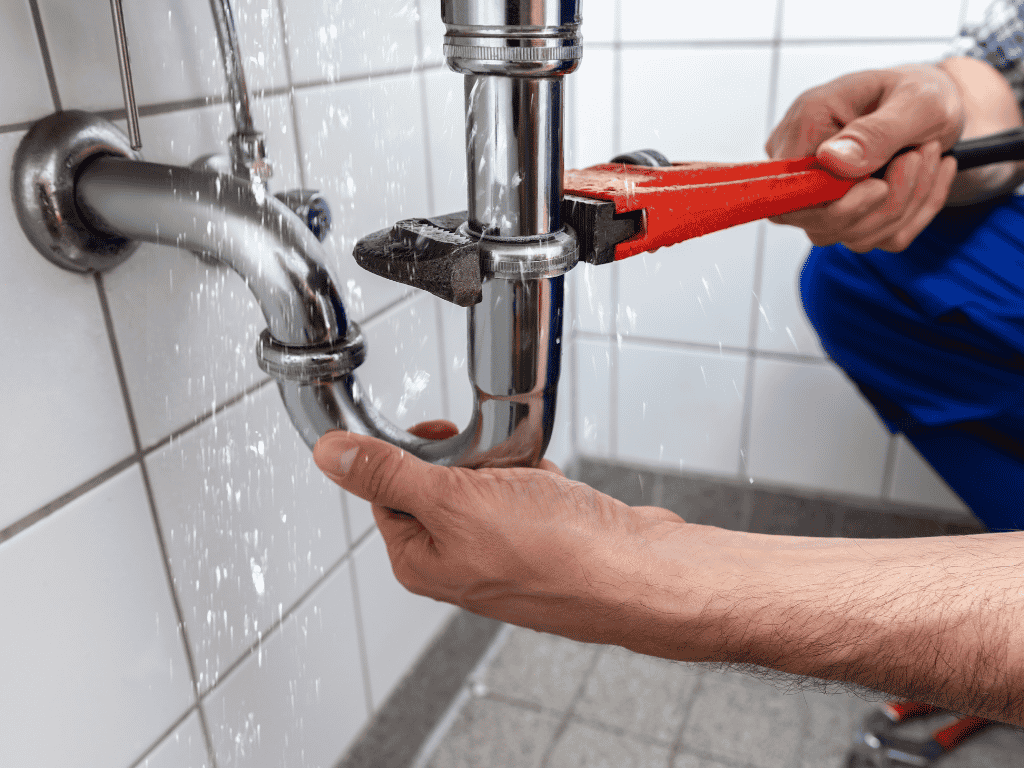
Underground pipe damage can be frustrating, especially when you imagine excavators digging through your garden, driveway or landscaping. Fortunately, modern plumbing technology offers a smarter solution. The pipe relining process restores damaged pipes from the inside without the need for extensive excavation, making it an ideal option for many residential and commercial properties in Zillmere.
If you’ve never had your drains relined before, you may be wondering what actually happens during the job. Understanding how pipe relining job in Zillmere work can help you feel more confident about the repair and know what to expect from start to finish.
This guide explains each stage of the trenchless pipe repair steps, from the initial inspection through to the final quality check.
Traditional pipe replacement often involves digging long trenches to expose damaged pipes. Depending on the location, this can mean removing concrete, lifting pavers, disturbing gardens or even breaking through driveways before repairs can begin.
The modern pipe relining procedure eliminates most of this disruption by repairing the existing pipe internally. A new structural lining is installed inside the damaged section, creating a seamless pipe within the original one.
For many homes in Zillmere, particularly those with established landscaping or limited access, this approach can significantly reduce disruption while providing a durable long-term repair.
Every successful pipe relining project begins with a thorough drain inspection.
A trained drainage technician inserts a specialised waterproof CCTV camera into the affected drain or sewer line. The live footage allows them to identify:
This inspection is essential because not every damaged pipe is suitable for relining. The camera assessment determines whether the pipe structure can support the new liner or whether excavation may still be required in more severe cases.
Before any liner can be installed, the pipe must be thoroughly cleaned.
Depending on the condition of the pipe, technicians may use:
Cleaning ensures the internal surface is smooth enough for the resin liner to bond properly. Any remaining debris can affect the quality of the finished repair.
Once cleaning is complete, another CCTV inspection is usually carried out to confirm the pipe is ready for relining.
Once the pipe has been cleaned and inspected, technicians measure the damaged section accurately.
A flexible liner made from specialised felt or fibreglass material is then cut to the required length. The liner is saturated with a specially formulated epoxy resin designed specifically for underground pipe rehabilitation.
The resin creates the structural strength that allows the new liner to function as a durable pipe inside the existing one.
Proper preparation at this stage is essential to achieving a long-lasting result.
The next stage of the pipe relining process is liner installation.
The resin-saturated liner is inserted into the damaged pipe through an existing access point such as an inspection opening or maintenance shaft.
Depending on the project, technicians may use:
These techniques position the liner tightly against the internal wall of the existing pipe.
Because the liner conforms to the shape of the original pipe, it seals cracks, minor gaps and damaged joints while creating a continuous internal surface.
Once the liner is correctly positioned, the pipe curing process begins.
Curing allows the epoxy resin to harden into a strong structural lining.
Depending on the product used and site conditions, curing may occur through:
After curing is complete, the liner forms a rigid, jointless pipe within the existing pipeline.
The finished result is highly resistant to corrosion, root intrusion and many common causes of future pipe deterioration.
If the relined section passes branch connections, these need to be reopened.
Using remotely operated cutting equipment guided by CCTV cameras, technicians carefully reinstate each connection without damaging the newly cured liner.
This restores normal flow from connecting drains while maintaining the integrity of the relined pipe.
The final stage involves another comprehensive CCTV inspection.
This confirms:
Many professional contractors provide customers with CCTV footage of the completed work as part of the quality assurance process.
Every project is different, but many residential pipe relining jobs can often be completed quickly, sometimes within a day depending on the pipe condition, access and curing method.
Factors that influence the timeframe include:
More complex drainage systems may require additional time, particularly if multiple sections need to be relined.
Although how pipe relining works makes it suitable for many drainage problems, it is not the right solution for every situation.
Pipe relining is generally appropriate for pipes affected by:
However, pipes that have completely collapsed, are severely deformed or have significant misalignment may require excavation and replacement instead.
A professional CCTV inspection provides the information needed to recommend the most appropriate repair method.
Many properties throughout Zillmere feature mature gardens, paved outdoor areas and established landscaping that homeowners naturally want to protect.
Because the trenchless pipe repair steps avoid extensive excavation, pipe relining often helps minimise disruption while reducing the amount of restoration work needed after repairs are completed.
This makes it particularly attractive for:
A successful pipe relining process depends on accurate diagnosis, specialist equipment and experienced installation. From the initial CCTV inspection through to the final quality check, every stage plays an important role in creating a durable internal pipe lining.
Pipe Relining Brisbane provides professional pipe relining services using advanced CCTV inspections and modern relining equipment to restore damaged drains with minimal disruption. By carefully assessing each pipe and recommending the most suitable repair approach, the team helps property owners in Zillmere resolve underground pipe problems while avoiding unnecessary excavation wherever possible.
Understanding the pipe relining process helps homeowners appreciate why this modern repair method has become a preferred alternative to traditional excavation. From the initial drain inspection and thorough cleaning through to liner installation, the pipe curing process and final CCTV verification, every step is designed to restore damaged pipes efficiently and with minimal disruption.
If you’re experiencing recurring drain issues in Zillmere, arranging a professional CCTV inspection is the first step towards determining whether trenchless pipe relining is the right solution for your property.

© 2026 Pipe Relining Brisbane | All Rights Reserved | Developed by