April 17, 2026
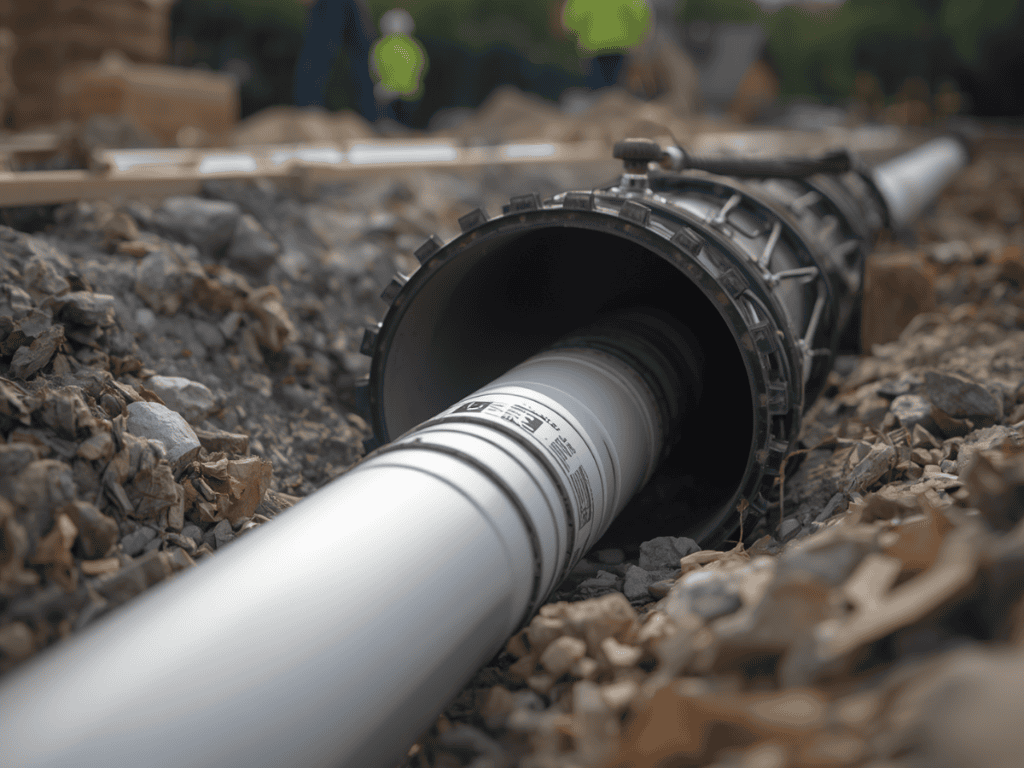
When a damaged pipe needs attention, many property owners are faced with a common question: should you choose pipe relining or go with traditional pipe replacement?
Both methods are designed to restore your plumbing system, but they differ in several important ways, including cost, disruption, installation time, and long-term performance. For homeowners and businesses in Ipswich, choosing the right option can make a significant difference, especially when pipes run beneath driveways, gardens, slabs, or established landscaping.
Understanding how each repair method works can help you make a more informed decision for your property.
Pipe relining is a modern trenchless pipe repair method that repairs damaged pipes from the inside. Rather than digging up and removing the existing pipe, a durable liner saturated with resin is inserted into the damaged section and cured in place. Once hardened, it forms a strong new pipe within the original one.
This method is often used for pipes affected by cracks, leaks, corrosion, or tree root intrusion. It is a practical solution for many residential and commercial properties, particularly in areas such as Ipswich, where minimising disruption to the property is often a priority.
Because it avoids major digging, pipe relining is often considered one of the least disruptive drain repair options available.
Traditional pipe replacement involves removing the damaged pipe and installing a completely new one. In most cases, this requires excavation, which may involve digging through lawns, pathways, driveways, and sometimes even internal flooring, depending on where the pipe is located.
While this has been a standard plumbing repair method for many years, it is often more labour-intensive and can result in greater disruption to the property.
In some situations, especially where the pipe is beyond repair, traditional replacement may be the only practical option.
Cost is often one of the first things property owners think about when comparing repair options.
Pipe relining may have a higher upfront cost per metre, but it can often reduce the need for excavation, surface repairs, and restoration work. Traditional replacement, on the other hand, may seem more straightforward at first, but costs can rise quickly once digging, labour, and reinstatement of landscaping, paving, or concrete are factored in.
For many Ipswich properties, especially those with driveways, established gardens, or limited access, relining can be the more cost-effective solution overall.
One of the biggest differences between the two methods is how disruptive they are.
Pipe relining is minimally invasive and can often be completed with little disturbance to the surrounding area. Traditional pipe replacement usually involves excavation equipment, noise, and a more noticeable impact on the property.
For households and businesses in Ipswich that want to avoid unnecessary mess and downtime, trenchless pipe relining can offer a clear advantage.
Pipe relining is generally much faster to complete than traditional replacement. Many standard residential relining jobs can be finished within a day, depending on the condition and length of the pipe.
Traditional replacement may take several days or longer, particularly if access is difficult or restoration work is needed afterwards.
A faster turnaround means less inconvenience and a quicker return to normal plumbing use.
Modern relining technology creates a strong, jointless internal pipe that is designed to last for decades. Because the relined pipe is seamless, there are fewer weak points where leaks or root intrusion may develop in the future.
Traditional replacement can also provide lasting results, but depending on the materials used, joints may remain potential problem areas over time.
For many property owners in Ipswich, durability is a major reason why pipe relining is often worth considering.
Environmental impact is another factor that is becoming increasingly important.
Pipe relining reduces the need for large-scale excavation, which means less soil disruption, less waste, and fewer repairs to surrounding surfaces. Traditional pipe replacement often creates more debris and can affect gardens, paved areas, and nearby structures.
For property owners looking for a cleaner and more efficient repair option, relining is often the preferred choice.
The best option depends on the condition of the pipe and the layout of your property.
For properties in Ipswich, the only way to know which repair method is most suitable is through a professional assessment, often using CCTV drain inspections to identify the exact cause and extent of the damage.
Choosing between pipe relining vs traditional pipe replacement in Ipswich can be difficult without the right advice.
Pipe Relining Brisbane provides advanced trenchless repair solutions designed to minimise disruption while delivering strong, long-lasting outcomes. By carefully inspecting the condition of the damaged pipe, the team can determine whether relining is a suitable option or whether a more extensive repair approach is needed.
This helps property owners in Ipswich make practical, informed decisions based on the actual condition of their plumbing system, rather than guessing or committing to unnecessary excavation.
Both pipe relining and traditional pipe replacement still have their place in modern plumbing repairs. However, for many Ipswich homes and commercial properties, pipe relining offers a faster, cleaner, and less disruptive alternative.
If you are trying to decide which repair method is right for your property, the first step is understanding what is happening inside the pipe. With the right inspection and expert advice, you can choose a solution that protects your property and provides reliable performance for years to come.

© 2026 Pipe Relining Brisbane | All Rights Reserved | Developed by